SEO vs AEO vs GEO: What's the Difference and Why It Matters
SEO, AEO, and GEO serve different goals in 2026. Learn how each works, when to use them, and how they fit together to maximize your brand visibility

Your product page ranks first on Google, but ChatGPT doesn't mention your brand when someone asks for a recommendation in your category. That gap between traditional ranking and AI visibility is exactly why marketers now need to understand three distinct disciplines instead of one.
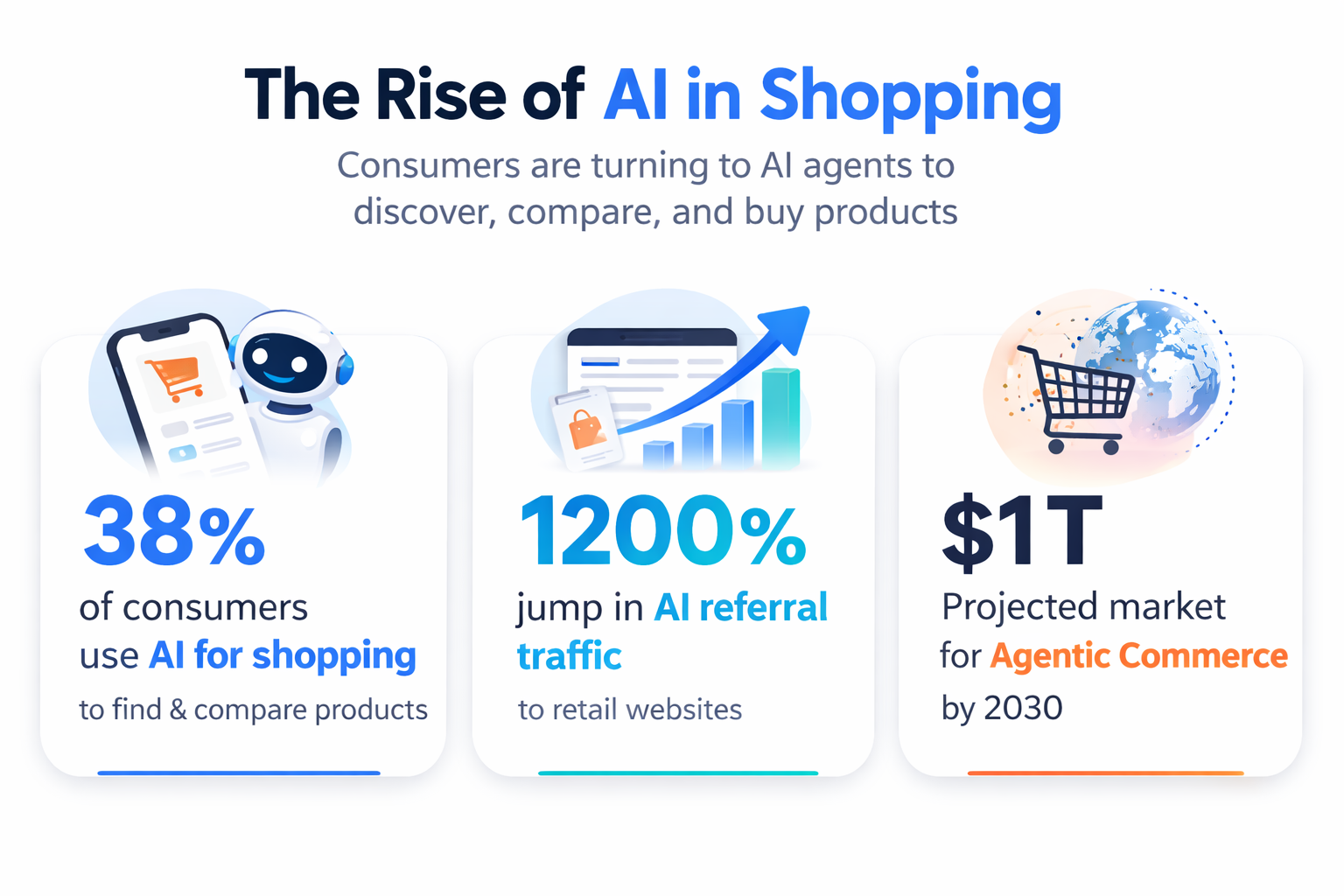
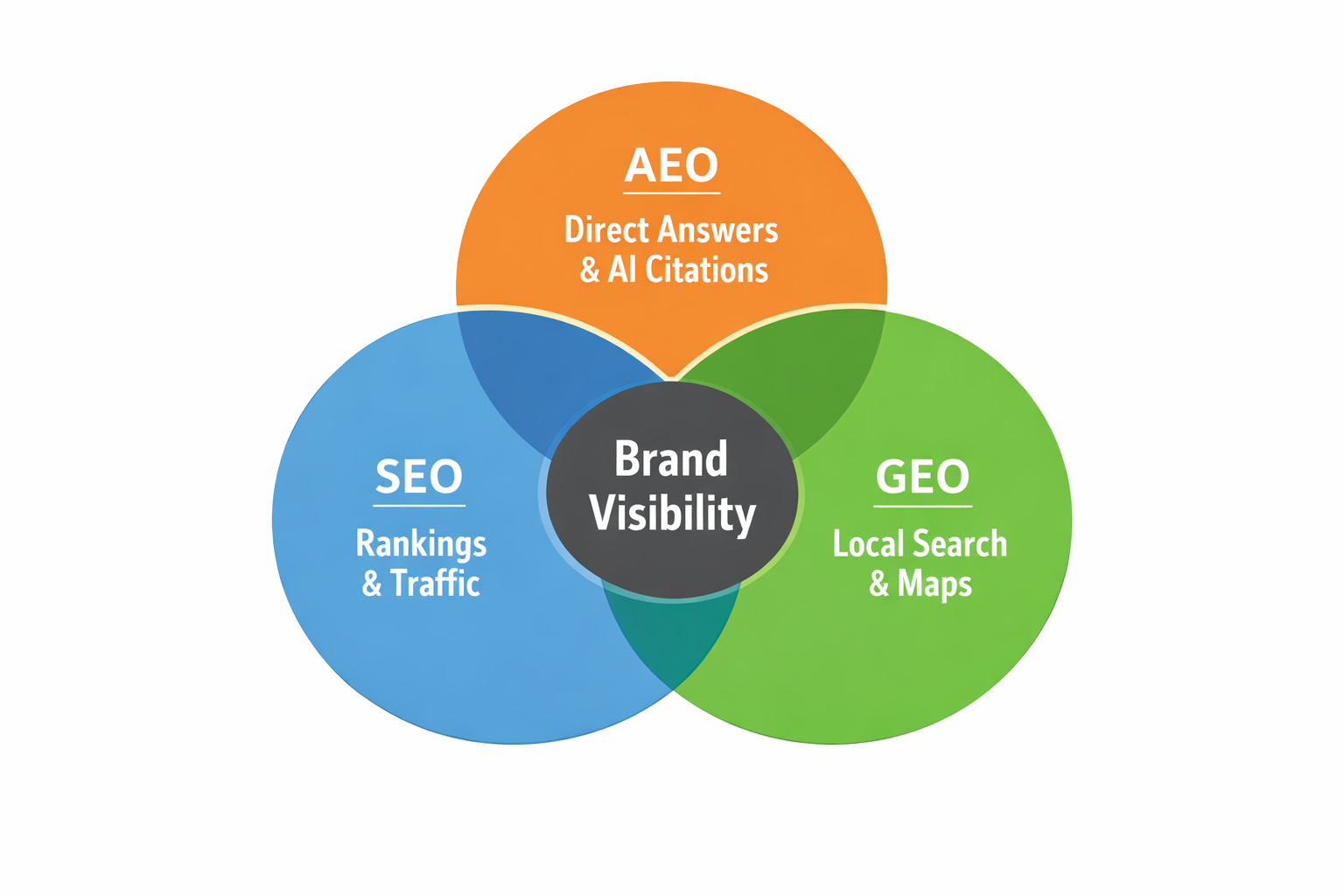
SEO, AEO, and GEO aren't competing strategies. They're layers of the same visibility system, each targeting a different part of how people discover brands in 2026. But most marketing teams still treat them as interchangeable, or worse, ignore two of them entirely. That's a problem when AI-referred traffic converts at rates 31% higher than traditional organic search, and nearly 60% of Google searches already end without a click.
This guide breaks down what each discipline actually does, where they overlap, and how to decide which one deserves your attention right now.
SEO: The Foundation That Still Matters
Search Engine Optimization is the practice you already know. You optimize web pages so Google, Bing, and other traditional search engines can find, crawl, index, and rank them. The goal is straightforward: earn clicks from organic search results.
SEO works by aligning your content with ranking signals like keyword relevance, backlink authority, technical performance, and user experience. When someone types "best CRM for small businesses" into Google, SEO determines which pages appear in the ten blue links.
The core mechanics haven't changed much in 20 years. What has changed is context. Google now shows AI Overviews above organic results for roughly 13% of all queries, and that number is climbing fast. For queries that start with "best," AI Overviews trigger about 83% of the time. That means even a page ranking in position one can lose significant visibility if it isn't also surfaced in the AI-generated summary above it.
Still, SEO isn't going anywhere. Service-based queries ("plumber near me"), transactional searches ("buy Nike Air Max 95"), and branded queries still behave the way they always have. Users search, see results, and click. For these query types, traditional ranking signals remain the primary driver of traffic and conversions.
Think of SEO as the foundation. Without it, your site isn't crawlable, your authority is low, and neither AEO nor GEO can do much for you.
SEO success looks like: higher rankings, more impressions, increased organic click-through rates, and direct website traffic from search engines.
AEO: Becoming the Direct Answer
Answer Engine Optimization focuses on a narrower target. Instead of ranking among ten results, AEO aims to get your content selected as the answer — the featured snippet, the voice search response, the People Also Ask result, or the content that appears inside Google's AI Overview.
The shift happened gradually. Google started pulling direct answers into search results years ago with featured snippets and knowledge panels. Voice assistants like Siri, Alexa, and Google Assistant accelerated it. Now, AI Overviews do the same thing at scale: they read multiple sources and present a single synthesized answer right on the results page.
AEO is about making your content easy for these systems to parse and extract. That means structured formatting, clear question-and-answer patterns, FAQ schema markup, and concise definitions placed near the top of your sections. When a user asks "When should my child see a dentist?" and your practice's page delivers a clean, direct answer in 40 words with proper schema, you become the featured result.
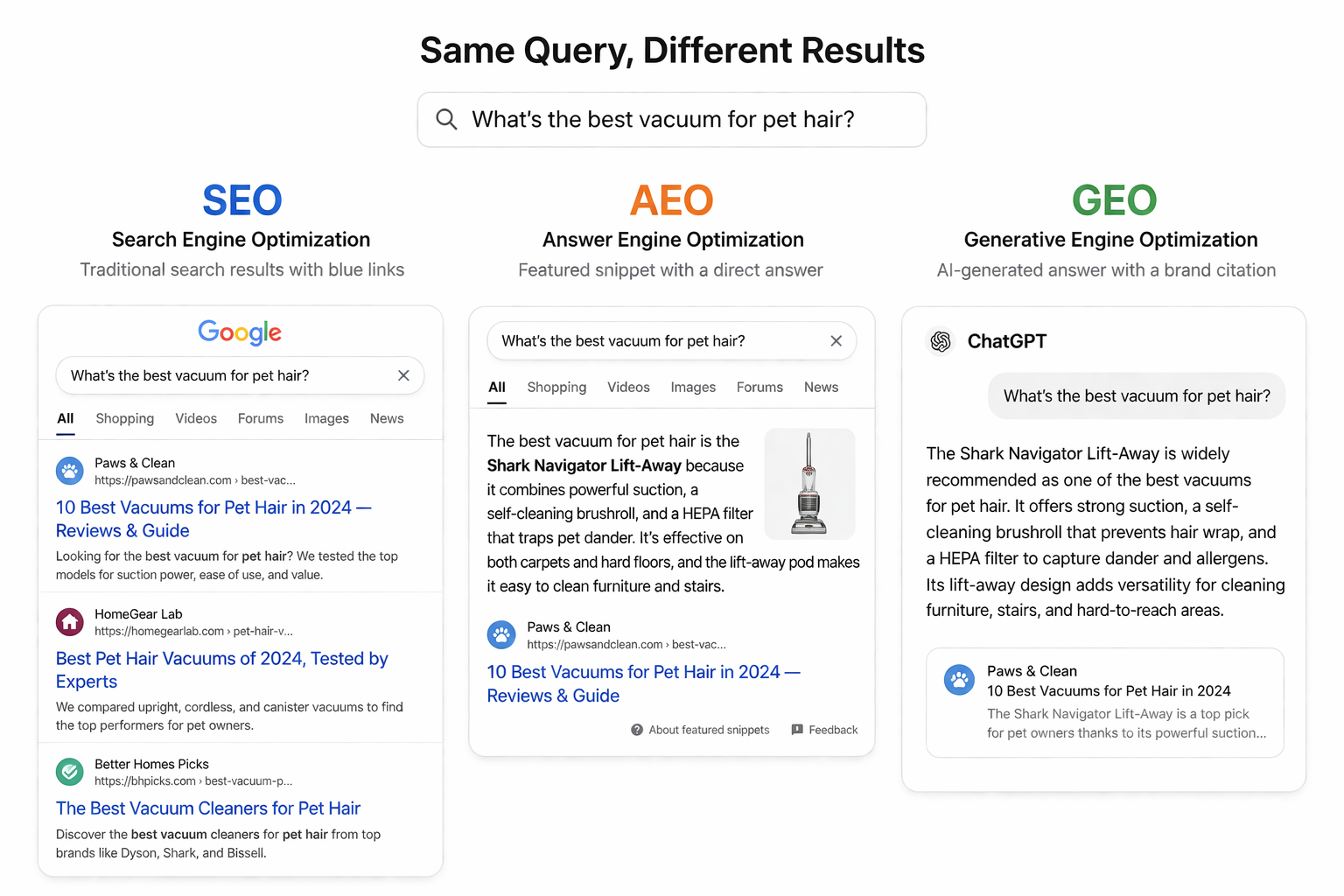
The practical difference between SEO and AEO comes down to format versus position. SEO says: "Rank this page high." AEO says: "Structure this content so it gets pulled out and displayed as the answer itself."
Pages with FAQ schema markup achieve a 41% citation rate in AI-generated answers, compared to just 15% for pages without it. That's a meaningful edge for brands willing to invest in structured content.
AEO success looks like: featured snippet ownership, voice search selection, inclusion in AI Overviews, and visibility in zero-click search results.
GEO: Earning AI Citations
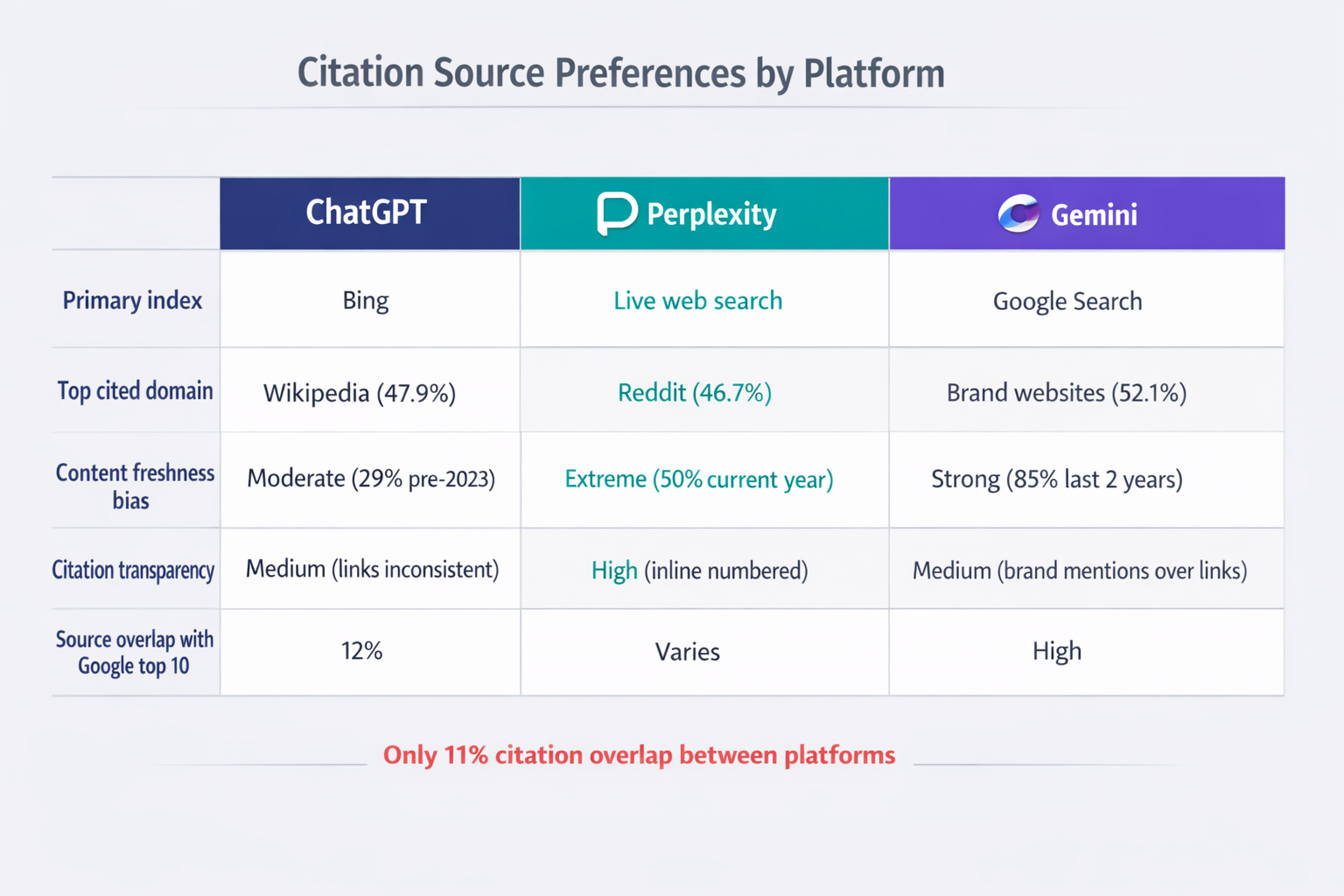
Generative Engine Optimization is the newest layer, and the one most brands are still ignoring. GEO focuses on making your content visible inside responses generated by AI platforms like ChatGPT, Perplexity, Gemini, and Claude.
These platforms don't show ranked lists of links. They read dozens of sources, synthesize information, and produce a conversational answer. Sometimes they cite specific brands and pages. Sometimes they don't. GEO is about earning those citations and brand mentions.
The mechanics are fundamentally different from traditional search. AI engines use Retrieval-Augmented Generation (RAG), which breaks a complex query into sub-queries, retrieves relevant passages from across the web, scores them on authority and relevance, and then weaves the best material into a single response. Your content doesn't need to rank first. It needs to be the kind of material that an AI model finds trustworthy enough to reference.
Research from Princeton University found that specific content techniques — adding statistics, citing credible sources, including expert quotes — improved visibility in AI-generated responses by 30 to 40% compared to unoptimized content. That's a significant lift from relatively straightforward changes.
GEO also operates on a different plane than SEO or AEO when it comes to third-party signals. As one SEO strategist put it, AI engines don't just pull from your site. They assemble narratives from third-party mentions, reviews, forums, publishers, and affiliates. Your visibility isn't only about what you say — it's about where and how others validate you. Reddit threads, industry publications, review sites, and expert mentions all feed into how AI models perceive your brand.
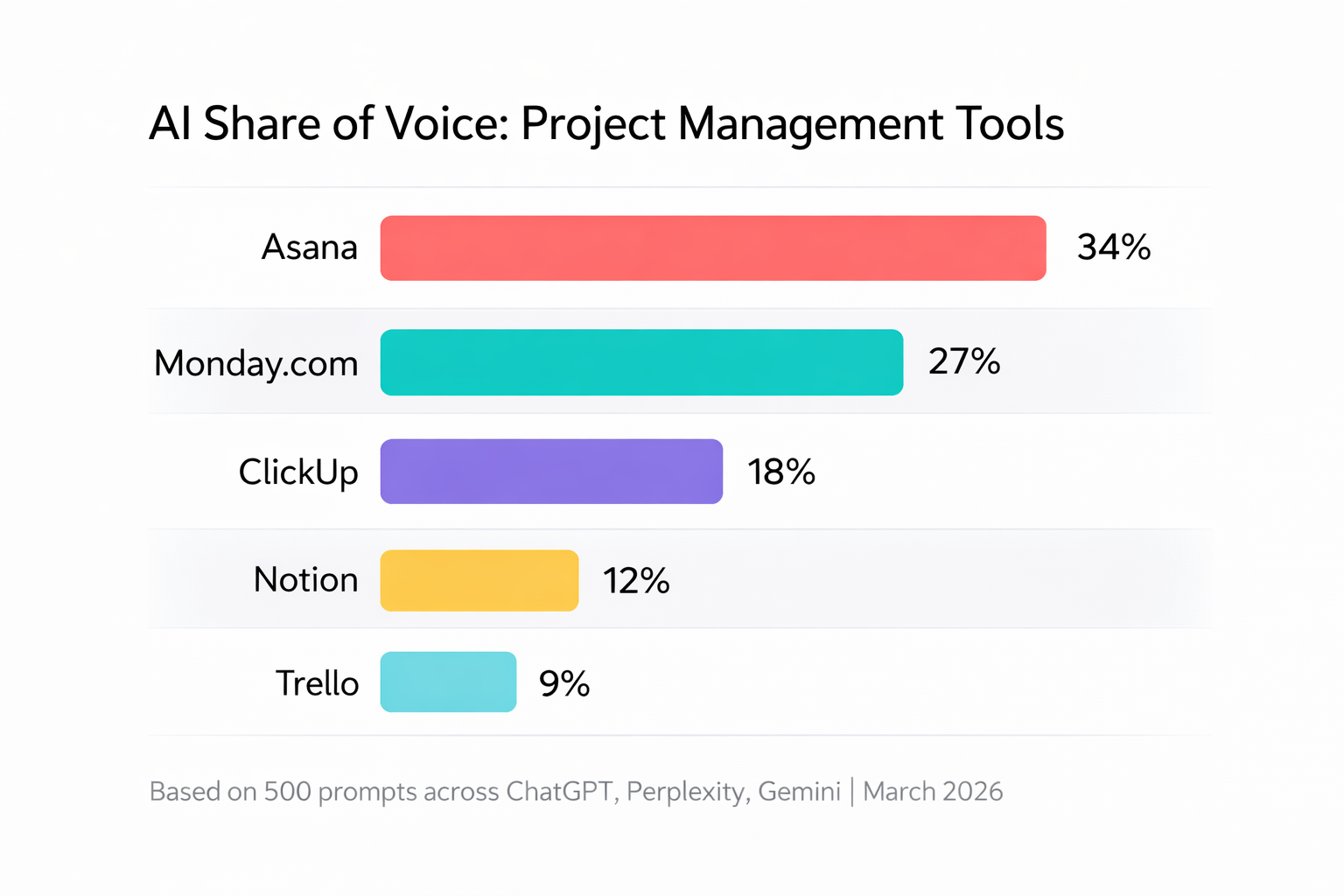
GEO success looks like: brand mentions in AI-generated answers, source citations in ChatGPT or Perplexity responses, accurate representation of your products and services, and growing share of voice across AI platforms.
How They Work Together (and Where They Don't)
The relationship between these three disciplines is hierarchical, not competitive.
SEO provides the technical and authority foundation. If your site isn't crawlable, isn't fast, and doesn't have backlinks, neither AEO nor GEO can compensate. AI engines frequently pull from pages that already perform well in traditional search. Google's AI Overviews, for example, favor content that ranks in the top organic positions.
AEO builds on that foundation by structuring content for extraction. Clean headings, concise definitions, proper schema markup, and question-based formatting make your content usable by both Google's answer features and AI engines that scan for structured information.
GEO extends the strategy into AI-native platforms. It goes beyond structure into authority signals: original data, expert attribution, third-party mentions, and topical depth that convince AI models your brand is a reliable source worth citing.
Here's a practical example. Imagine you sell project management software.
Your SEO strategy targets keywords like "best project management software for remote teams." You optimize product pages, build backlinks from SaaS review sites, and ensure your site loads fast on mobile.
Your AEO strategy creates an FAQ section answering "What features should project management software have?" with structured schema markup. You write comparison tables that Google can pull into featured snippets. You format answers so voice assistants can read them aloud.
Your GEO strategy publishes original research on remote work productivity, includes named expert quotes in your content, earns mentions in industry publications and Reddit discussions, and maintains comprehensive, up-to-date content that AI models recognize as authoritative when assembling recommendations.
All three work on the same content. But each one optimizes for a different outcome.
When to Prioritize Each Discipline
Not every business needs to invest equally in all three. Your priorities depend on your industry, your audience's search behavior, and where your biggest visibility gaps exist.
Prioritize SEO when:
- Transactional and local queries drive your revenue ("buy," "near me," "pricing")
- Your site has technical issues that prevent proper crawling and indexing
- You don't yet have a strong backlink profile or domain authority
- Your audience still primarily uses traditional Google search
Prioritize AEO when:
- Your audience asks specific, answerable questions about your category
- You compete for featured snippets and People Also Ask positions
- Voice search is relevant to your customers (local services, healthcare, consumer products)
- Google AI Overviews frequently appear for your target keywords
Prioritize GEO when:
- Your buyers research through ChatGPT, Perplexity, or other AI tools before purchasing
- You're in a B2B category where 50% of buyers now use AI for vendor research
- Your brand isn't mentioned in AI-generated answers despite strong Google rankings
- Competitors are already appearing in AI recommendations while you're absent
For most brands in 2026, the realistic answer is: start with SEO fundamentals, layer AEO formatting on existing content, and begin building GEO signals by creating authoritative, citable content and earning third-party mentions.
A Quick Decision Framework
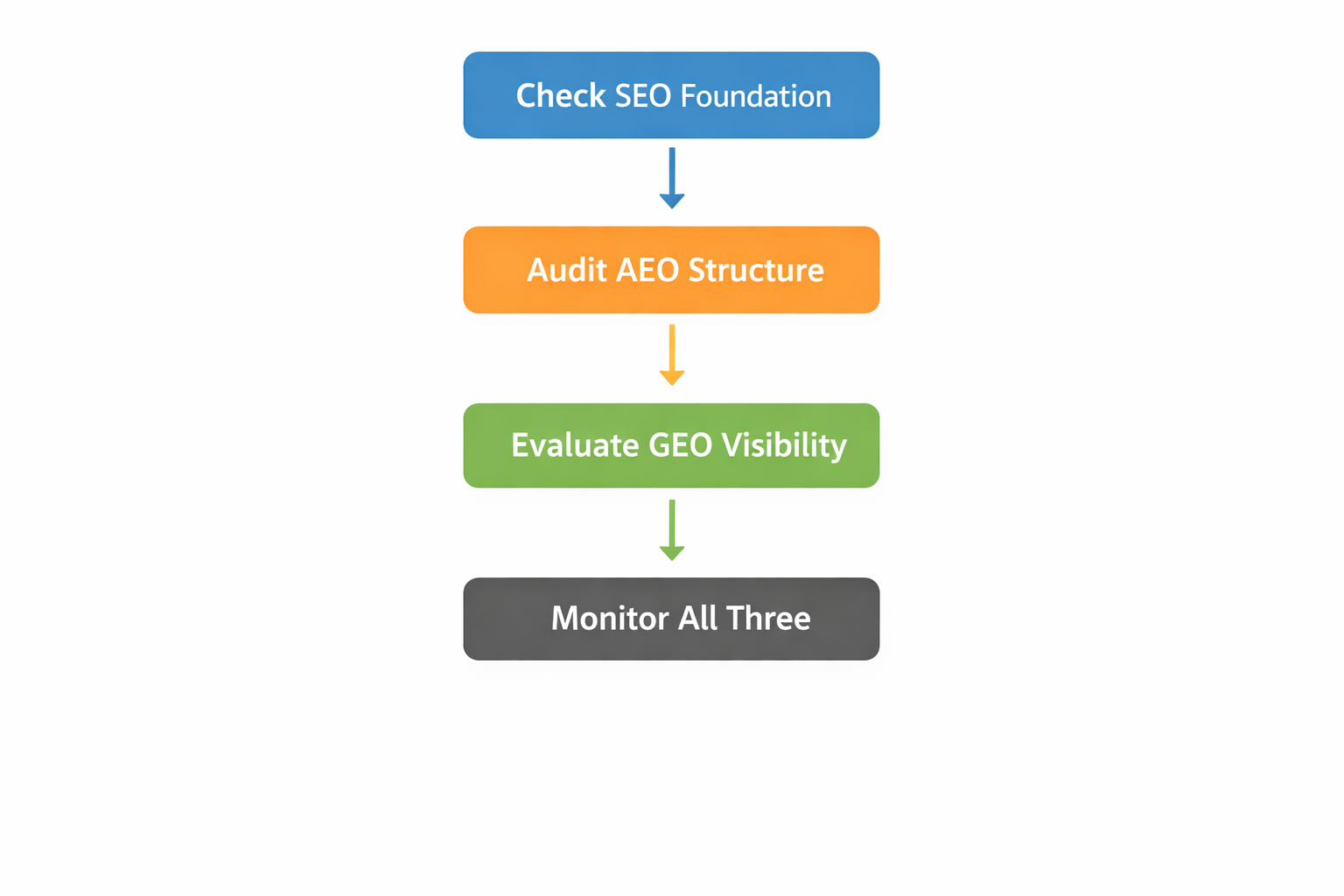
Use this to map your current position and next steps:
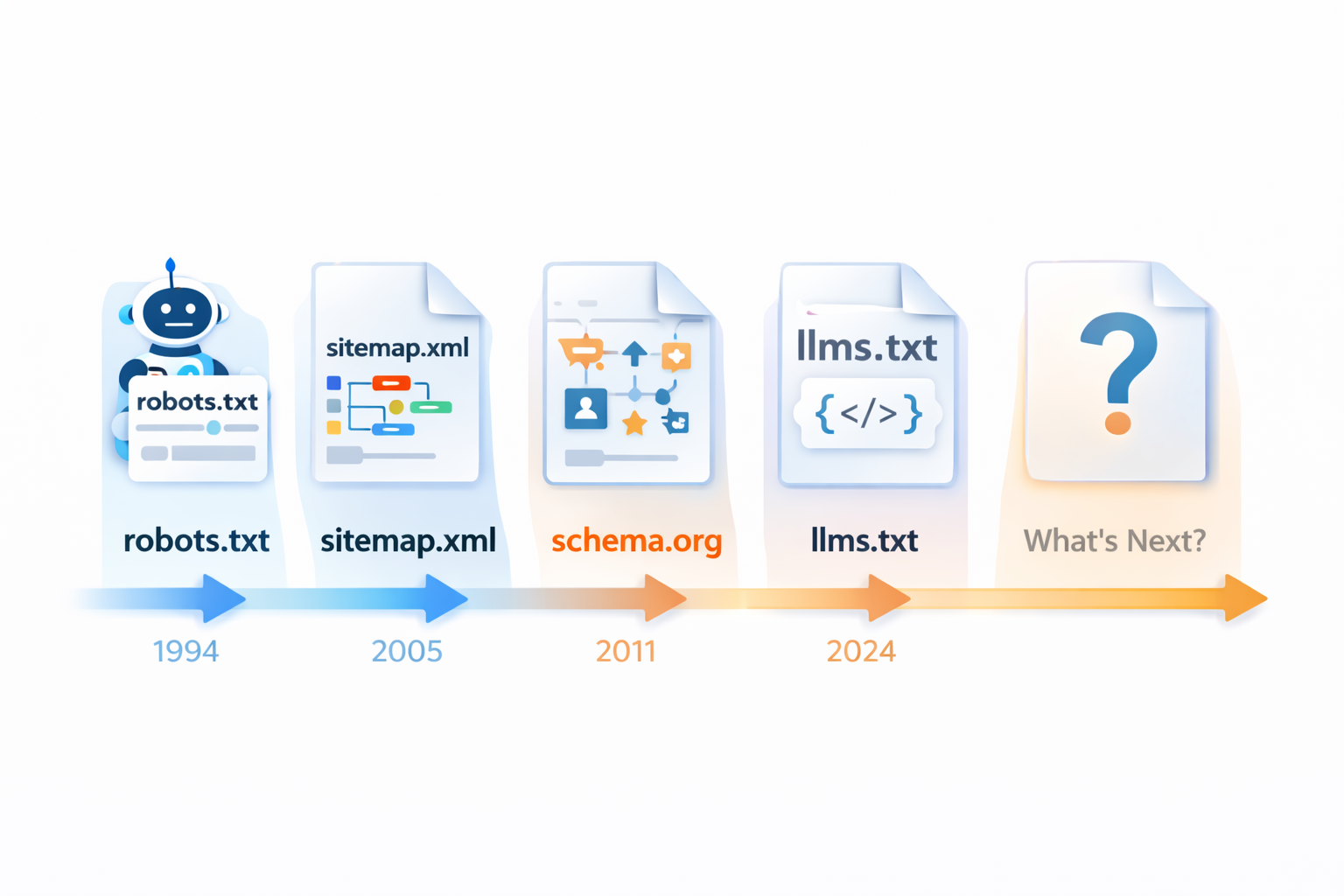
Step 1: Check your SEO foundation. Can AI crawlers access your content? Is your robots.txt blocking GPTBot, ClaudeBot, or PerplexityBot? Do your pages load quickly and render server-side? If the foundation is weak, fix it first.
Step 2: Audit your AEO readiness. Do your key pages use FAQ, HowTo, or Product schema? Are your headings phrased as questions your audience actually asks? Do your definitions and answers appear early in each section? If not, restructure your top-performing content.
Step 3: Evaluate your GEO visibility. Ask ChatGPT, Perplexity, and Gemini questions your customers would ask. Does your brand appear? Is the information accurate? Are competitors showing up instead? If you're invisible, you need a GEO strategy.
Step 4: Monitor across all three. Traditional rank tracking covers SEO. Featured snippet monitoring covers AEO. For GEO, you need a different kind of tool — one that tracks how AI engines mention your brand, what sentiment they attach to it, and how often you're cited versus competitors. Platforms like RepuAI are built specifically for this: tracking brand visibility across ChatGPT, Perplexity, Gemini, and Claude in one dashboard, so you can see where you stand and where to focus next. You can start with a quick check using the free AI Visibility Checker to see how your site currently performs across AI engines.
Common Misconceptions Worth Clearing Up
"GEO will replace SEO." It won't. AI engines still pull heavily from pages with strong traditional authority signals. SEO and GEO reinforce each other. A page with solid backlinks and clean structure is more likely to be cited by AI than a page with no SEO foundation.
"AEO and GEO are the same thing." They share tactics but target different surfaces. AEO optimizes for Google's own AI features (AI Overviews, snippets, voice). GEO optimizes for standalone AI platforms (ChatGPT, Perplexity, Claude). The audience, the algorithms, and the success metrics are different.
"SEO, AEO, and GEO are completely separate disciplines." Some industry voices treat them as distinct career paths. In practice, about 70% of the optimization work overlaps. Good content structure, proper schema, strong authority, and clear factual writing benefit all three. The differences show up in the remaining 30%: GEO requires more attention to third-party mentions, entity signals, and content depth that supports AI reasoning.
"You need to choose one." You don't. The best strategy in 2026 layers all three. SEO gets you discovered. AEO gets you selected as the answer. GEO gets you cited by AI. A single well-structured article can serve all three goals simultaneously.
What This Means for Your Strategy
The search landscape has fractured. Your customers now find brands through Google results, AI-generated answers, voice assistants, and AI-powered shopping tools. Each channel has different mechanics, different ranking signals, and different success metrics.
The brands winning in 2026 aren't the ones chasing every new acronym. They're the ones building content that works across all three layers: technically sound, well-structured for extraction, and authoritative enough for AI models to trust and cite. SEO, AEO, and GEO aren't three separate to-do lists. They're one integrated visibility strategy.
Start by understanding where your biggest gap is. If you're ranking but not getting cited by AI, GEO is your priority. If you're invisible on Google, fix SEO first. If you're ranking but losing clicks to AI Overviews, layer in AEO.
Then measure all of it. Because in 2026, what you can't see in AI search is already costing you customers.
Related reading:
- Generative Engine Optimization (GEO): A Practical Guide for 2026 — deep tactical walkthrough of GEO implementation
- How to Measure AI Visibility: Metrics, KPIs, and Reporting — the measurement framework for tracking AI search performance
- What Type of Content Gets Cited by AI Search Engines? — data-backed guide to content formats that earn AI citations
- AI Search vs Google: What Marketers Need to Know in 2026 — the broader shift from traditional to AI-powered search