Master AI Search Visibility with Structured Data in 2026
Learn how structured data enhances AI search visibility in 2026, improving your brand's presence in AI-driven search results.

In 2026, mastering AI search visibility hinges on effectively implementing structured data. This approach enhances how AI engines like ChatGPT and Perplexity perceive and display your content, thereby improving your brand's presence in AI-driven search environments.
Understanding AI Search Visibility
What is AI Search Visibility?
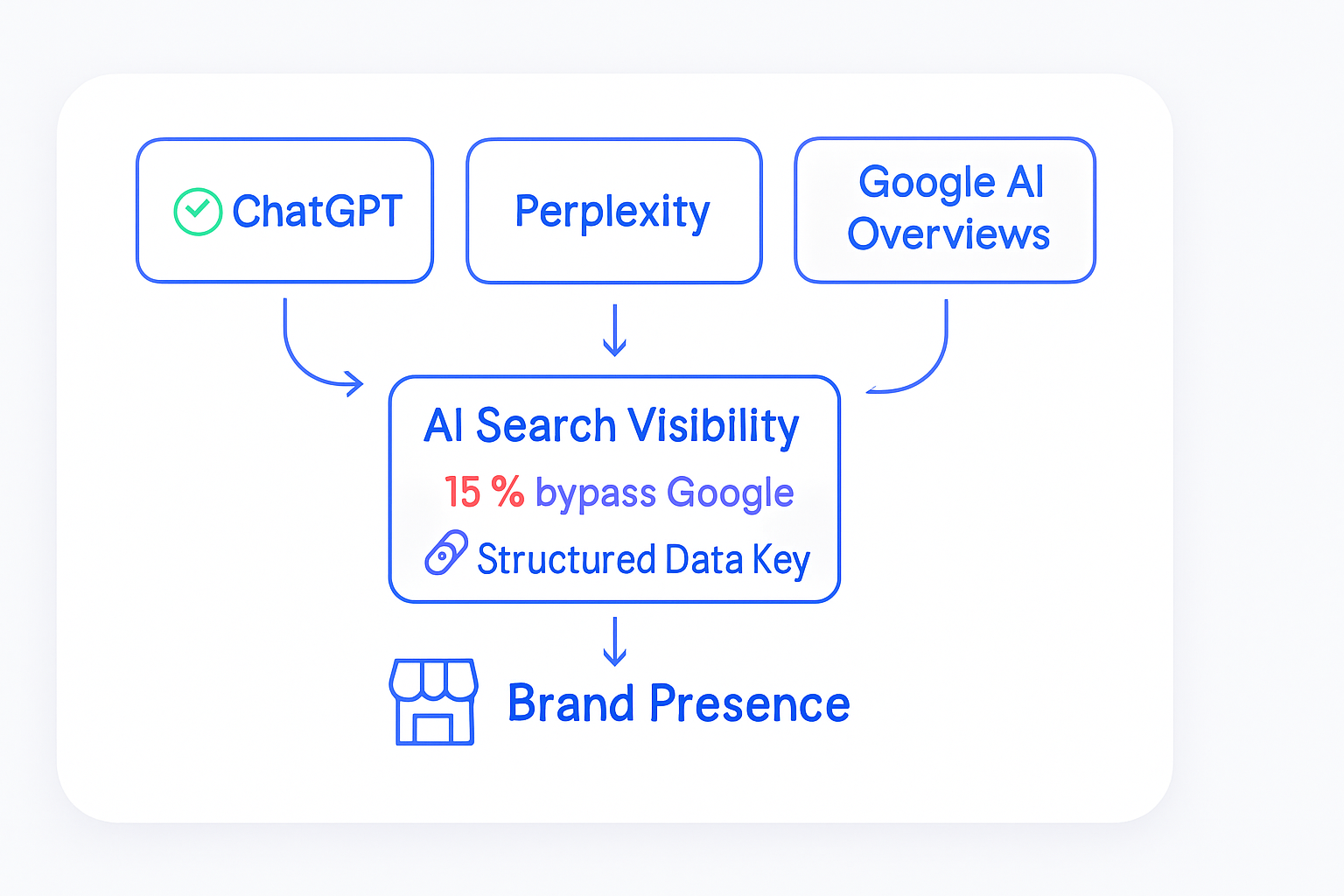
AI search visibility refers to how well a brand's content is recognized and represented in AI-powered search results. This includes platforms like ChatGPT, Perplexity, and Google AI Overviews, which use advanced algorithms to retrieve and present relevant information.
Why it Matters in 2026
As of 2026, about 15% of queries now bypass traditional search engines like Google, favoring AI engines instead. This shift underscores the necessity for brands to optimize for AI search visibility. Integrating structured data into your strategy is crucial, as discussed in our article on AI Search vs Google: What Marketers Need to Know in 2026.
The Role of Structured Data in AI Visibility
How Structured Data Works
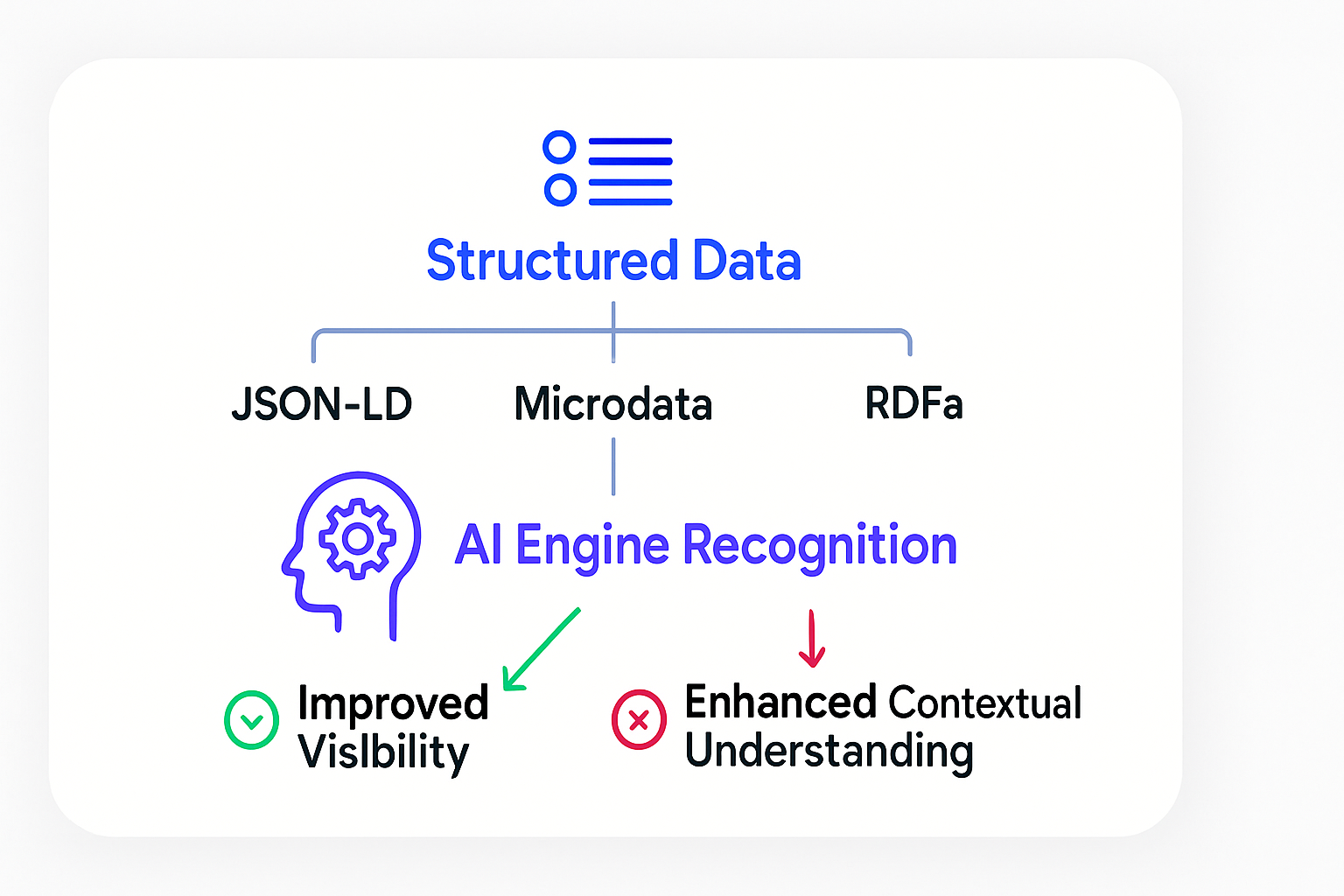
Structured data uses standardized formats to provide explicit clues about the content of a webpage. It helps AI models understand context and relationships, enhancing how your brand appears in AI search results.
Examples of Effective Use
- JSON-LD for Product Pages: Many e-commerce sites use JSON-LD to make product details easily understandable to AI engines.
- FAQ Schema: Brands like Amazon employ FAQ schemas, directly impacting their presence in AI overview features.
Implementing Structured Data for Better AI Visibility
Choosing the Right Schema Markup
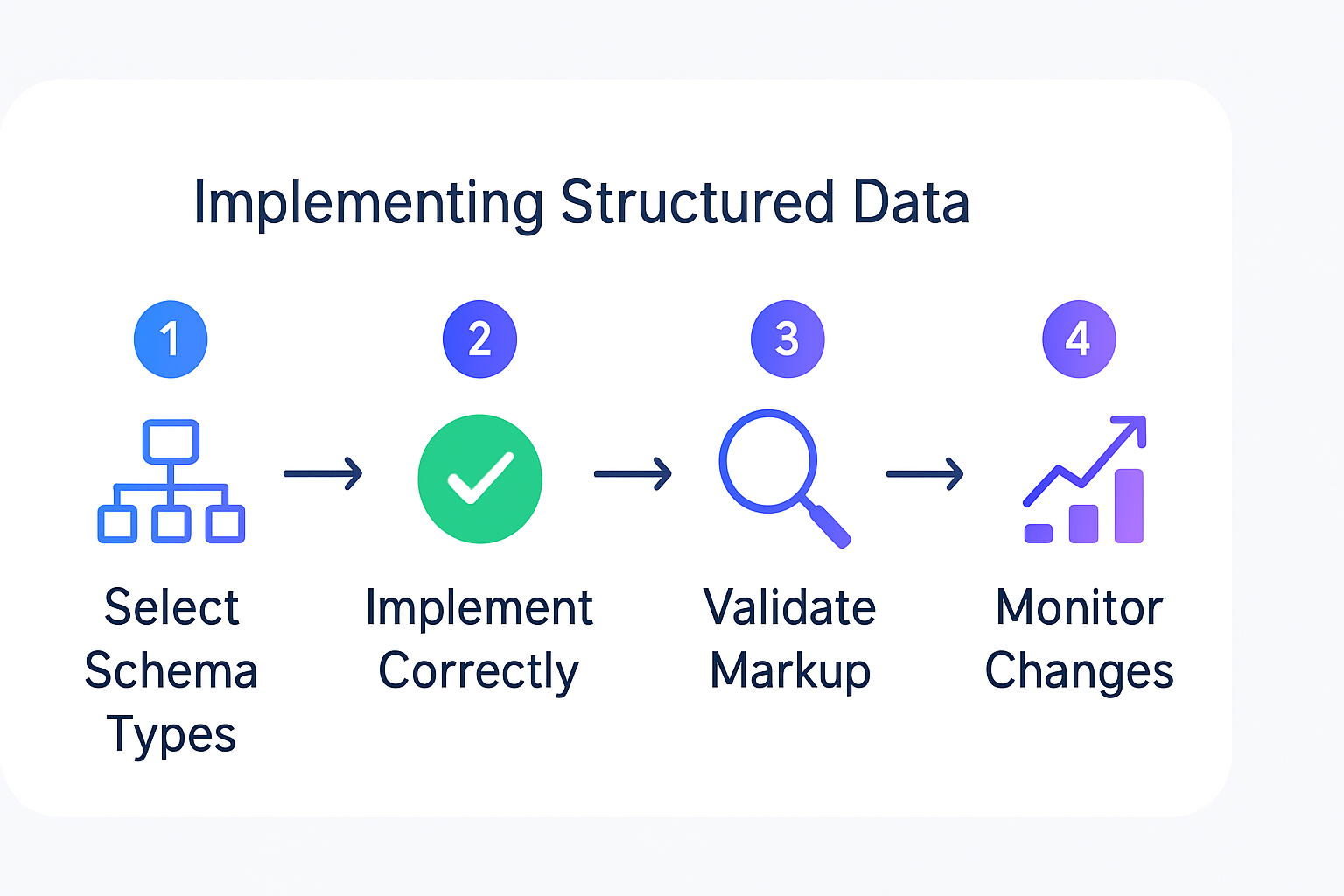
Select schema types relevant to your content. For instance, use the "Product" schema for e-commerce and "FAQ" for service-oriented pages. Our Schema Markup for AI Visibility: What Actually Works in 2026 details practical examples and guidance.
Common Implementation Mistakes
- Incorrect Formatting: Ensure JSON-LD syntax is error-free.
- Irrelevant Schema Types: Avoid using schemas that don't match the content on your webpage.
Case Studies: Brands Successfully Using Structured Data
Case Study 1: E-commerce
An e-commerce brand improved its AI visibility by 40% by implementing product and review schemas, aiding AI engines in showcasing product details comprehensively.
Case Study 2: B2B Services
A B2B service provider integrated structured data for their service offerings and saw a 30% increase in visibility in AI search results, as detailed in our AI Visibility for B2B SaaS: Why 44% of Brands Are Invisible to Buyers.
Actionable Checklist: Boost AI Visibility with Structured Data
Identify Key Areas for Structured Data
Focus on crucial pages like product listings, services, and FAQs. Align with AI search behaviors as detailed in our What Type of Content Gets Cited by AI Search Engines?.
Test and Validate Markup
Use tools to validate your structured data implementation and ensure AI engines can parse it correctly.
Monitor AI Visibility Changes
Track changes in AI visibility using metrics and KPIs. For guidance, see our article on How to Measure AI Visibility: Metrics, KPIs, and Reporting.
Tools and Resources for Structured Data Optimization
Top Tools for Schema Markup
Utilize the AI Visibility Checker to audit your structured data and monitor AI visibility updates.
Resources for Learning and Support
Explore our comprehensive guide on What Is AEO (Answer Engine Optimization) in 2026? Complete Guide for AI Search for additional insights into optimizing for AI search.
FAQ
How often should I update my structured data?
Regular updates are crucial, especially when you introduce new content or services. Review and refresh your structured data quarterly to keep it aligned with the latest AI search algorithms.
What if my structured data isn't recognized by AI engines?
First, validate your markup for errors. If issues persist, consult our Schema Markup for AI Visibility: What Actually Works in 2026 for troubleshooting tips and best practices.
In conclusion, enhancing AI search visibility with structured data is vital for brands in 2026. To begin optimizing your structured data, try our free tools like the AI Visibility Checker or the LLMs.txt Generator.