What Is AEO (Answer Engine Optimization) in 2026? Complete Guide for AI Search
Learn what AEO (Answer Engine Optimization) is, how it differs from SEO, and how to optimize your brand for ChatGPT, Perplexity, and AI search engines. Practical AEO strategy for 2026
Search is changing.
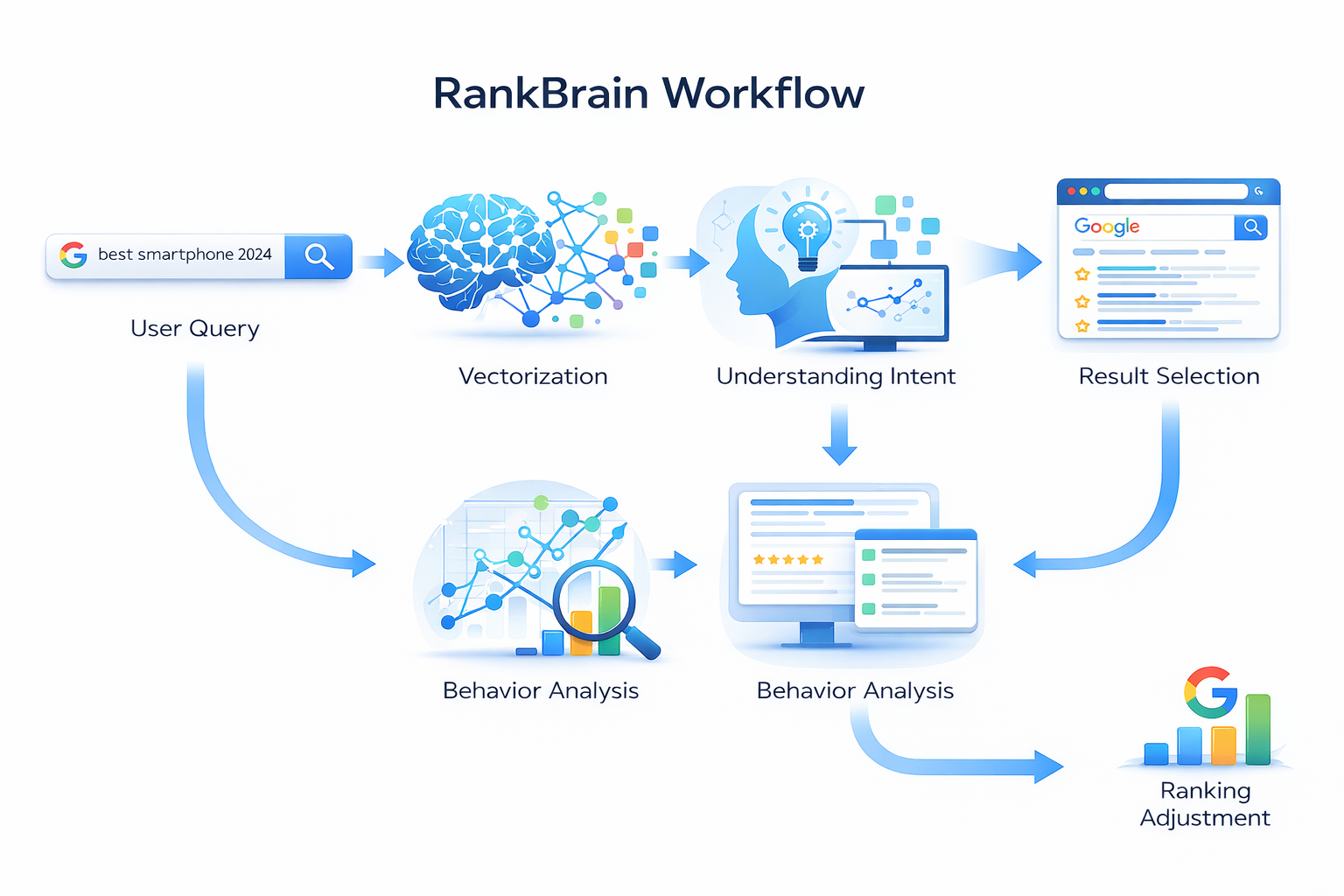
Users are no longer just “Googling” - they are asking questions in ChatGPT, Perplexity, Claude, Gemini, and other AI systems. Instead of 10 blue links, they receive one synthesized answer.
This shift created a new discipline: AEO - Answer Engine Optimization.
In this guide, we’ll cover:
- What AEO is
- How it differs from traditional SEO
- Why AI search changes visibility rules
- How to optimize your brand for AI-generated answers
- How RepuAI helps monitor and improve AI visibility
What Is AEO?
Answer Engine Optimization (AEO) is the process of optimizing your content and brand presence so that AI systems include you in their generated answers.
Unlike SEO, which focuses on ranking in search engine result pages (SERPs), AEO focuses on:
- Being cited in AI answers
- Being recommended by LLMs
- Appearing in AI-generated summaries
- Controlling how your brand is described
SEO optimizes for rankings.
AEO optimizes for answers.
Why AEO Matters in 2026
AI search usage is growing rapidly. Users now:
- Ask ChatGPT for product recommendations
- Use Perplexity for research
- Compare tools directly inside AI interfaces
- Skip traditional search engines
If your brand is not mentioned in AI responses, you’re invisible in this new discovery layer.
In traditional SEO, users see multiple options.
In AI search, users often see only 1–3 recommendations.
AEO is a winner-takes-most environment.
SEO vs AEO: Key Differences
| SEO | AEO |
|---|---|
| Optimizes for rankings | Optimizes for AI-generated answers |
| Competes on keywords | Competes on entity recognition |
| Focuses on backlinks | Focuses on authority + citation signals |
| 10 results on a page | 1 synthesized answer |
| CTR matters | Inclusion matters |
AI systems don’t just rank pages. They:
- Extract structured information
- Evaluate authority signals
- Cross-reference multiple sources
- Generate summarized responses
That requires a different strategy.
How AI Engines Decide What to Include
Large language models rely on:
- High-authority sources
- Consistent brand mentions
- Structured content
- Clear entity definitions
- External validation
They model relationships between entities.
For example, if someone asks:
“What are the best AI reputation management tools?”
AI systems look for:
- Clear product definitions
- Independent mentions
- Comparison articles
- Structured feature descriptions
This makes brand clarity critical.
Core Components of an AEO Strategy
1. Entity Clarity
Your website must clearly define:
- What your product is
- Who it is for
- What problem it solves
- How it compares to alternatives
Instead of vague statements like:
We help brands grow online.
Use:
RepuAI is an AI visibility monitoring platform that tracks how brands appear in ChatGPT, Perplexity, and other AI search engines.
Clarity increases inclusion probability.
2. Structured Content
AI systems extract information more reliably from:
- Definition sections
- Lists
- Tables
- FAQs
- Comparison pages
- Clear heading hierarchy (H1–H3)
Effective AEO content often answers:
- What is X?
- How does X work?
- X vs Y
- Best tools for Z
For example, see our related guide:
👉 AI Search vs Google: What Marketers Need to Know in 2026
And:
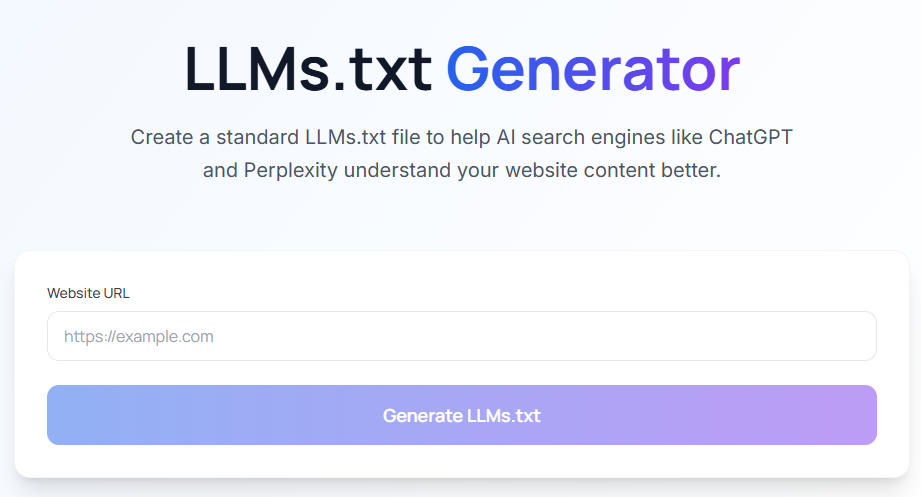
👉 What Is LLMs.txt and How It Helps Your Website Be AI-Friendly
3. External Brand Signals
AI systems do not rely only on your website.
They evaluate:
- Mentions in blogs
- Product reviews
- Community discussions
- Industry articles
- Tool roundups
If your brand exists only on your own domain, visibility is limited.
Consistency across the web strengthens your entity recognition.
4. AI Visibility Monitoring
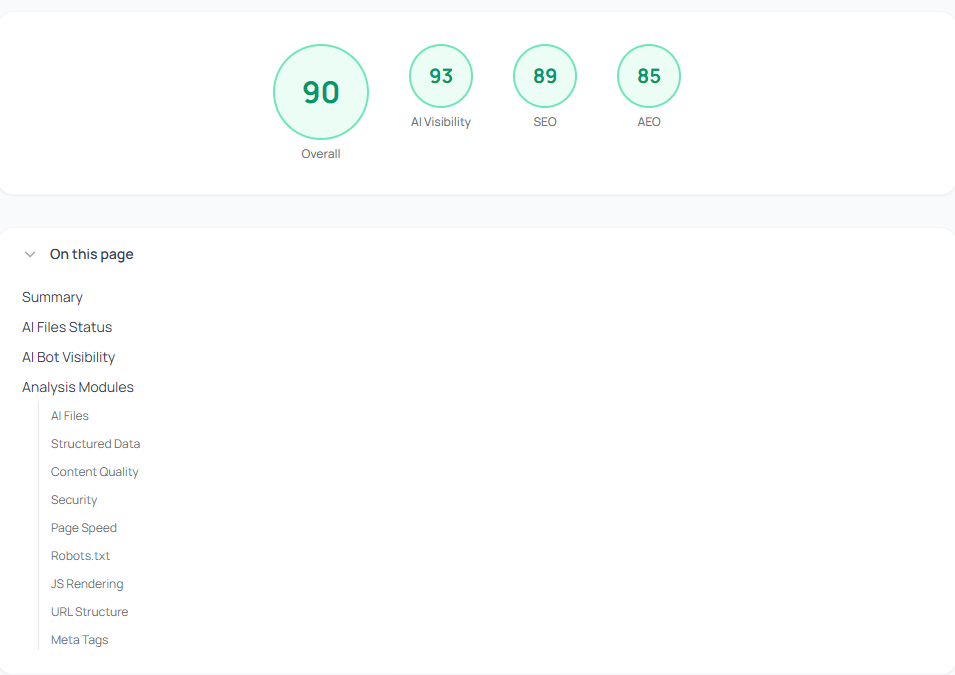
Unlike SEO, where you track rankings, AEO requires monitoring AI outputs.
Key questions:
- Is ChatGPT mentioning your brand?
- Is Perplexity recommending competitors?
- How is your product described?
- Are there inaccuracies?
Without monitoring, AEO becomes guesswork.
How RepuAI Supports AEO Strategy
RepuAI is designed for the AI search era.
Instead of tracking keyword rankings, it tracks:
- AI-generated brand mentions
- Recommendation frequency
- Competitive presence in AI answers
- Narrative consistency across AI systems
With RepuAI, you can:
- Identify when competitors are favored
- Detect misrepresentations
- Adjust messaging for better AI inclusion
- Measure AI visibility over time
If SEO tools show where you rank,
RepuAI shows whether you exist in AI-generated answers at all.
Practical AEO Optimization Checklist
Step 1: Define Your Core Entity
Create one clear product definition and use it consistently across:
- Homepage
- About page
- Blog content
- Metadata
Step 2: Publish AI-Optimized Content
Write structured articles answering:
- What is [your category]?
- Best tools for [problem]?
- [Your product] vs [competitor]?
Step 3: Add Comparison Pages
Comparison pages are frequently referenced by AI systems.
Examples:
- AEO vs SEO
- RepuAI vs Traditional SEO Tools
- AI Reputation Monitoring vs Brand Monitoring
Step 4: Build Authority Mentions
Increase off-site references:
- Guest posts
- Industry features
- Founder interviews
- Community discussions
Step 5: Track and Iterate
Use AI monitoring tools like RepuAI to:
- Measure inclusion rate
- Analyze competitive positioning
- Adjust messaging based on AI outputs
Common AEO Mistakes
- Treating AEO as rebranded SEO
- Publishing thin AI-generated content
- Inconsistent product positioning
- Ignoring external mentions
- Not monitoring AI responses
AEO rewards clarity, authority, and consistency.
The Future of Search Is Answer-Based
Search behavior is shifting toward:
- Fewer clicks
- More AI summaries
- More assistant-based interactions
- Less traditional SERP exploration
SEO is not disappearing.
But AEO is becoming a second, critical layer.
Brands that optimize for both will dominate discovery.
Final Thoughts
To summarize:
- SEO optimizes for rankings
- AEO optimizes for AI-generated answers
- AI search rewards structured clarity
- Monitoring AI visibility is essential
If your brand is not appearing in AI-generated responses, you are missing a growing share of search visibility.
AEO is not optional in 2026.
And tools like RepuAI help ensure your brand is not just indexed — but included in the answers that matter.