How to Write Content That AI Engines Love in 2026
Learn how to create content that AI engines love in 2026 with structured data and effective tools.

In 2026, writing content that AI engines love requires a thorough understanding of AI content preferences, use of structured data, and leveraging the right tools. As AI search engines like ChatGPT, Perplexity, and Gemini gain popularity, creating content that aligns with AI algorithms is key for visibility.
Understanding AI Content Preferences in 2026
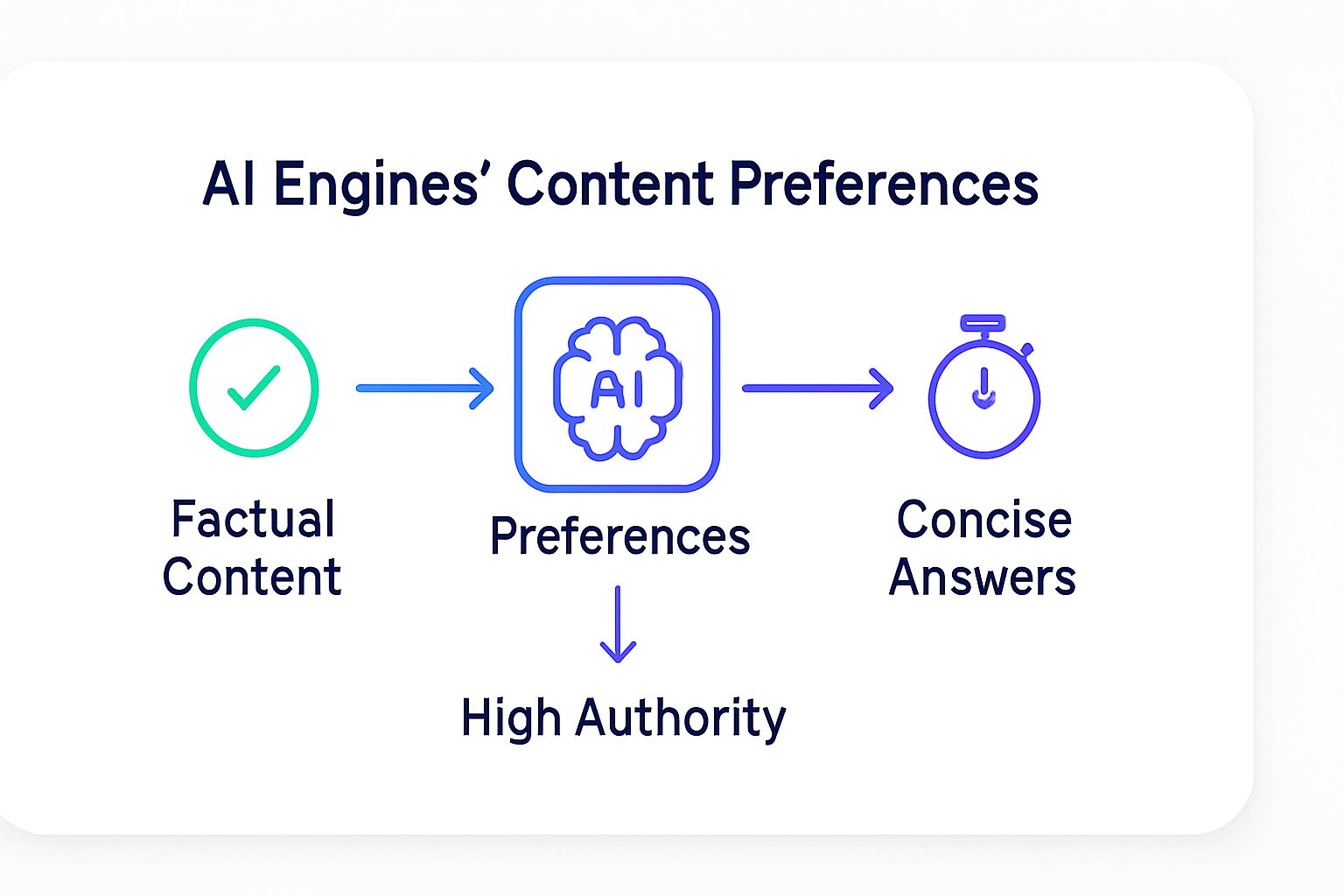
To succeed in AI content writing in 2026, it's crucial to understand what AI engines prioritize and how structured data plays a role.
What AI Engines Look For
AI engines prioritize content that is factual, concise, and relevant. They value sources with high authority and trustworthiness. For example, ChatGPT and Perplexity have algorithms that favor content with clear and direct answers to queries, as discussed in our AI Search vs Google: What Marketers Need to Know in 2026.
The Role of Structured Data
Structured data helps AI engines understand and categorize your content effectively. By using schema markup, you can ensure that AI engines like Gemini and Google AI Overviews accurately interpret your content. Learn more about effective schema types in our Schema Markup for AI Visibility: What Actually Works in 2026.
Crafting AI-Friendly Content
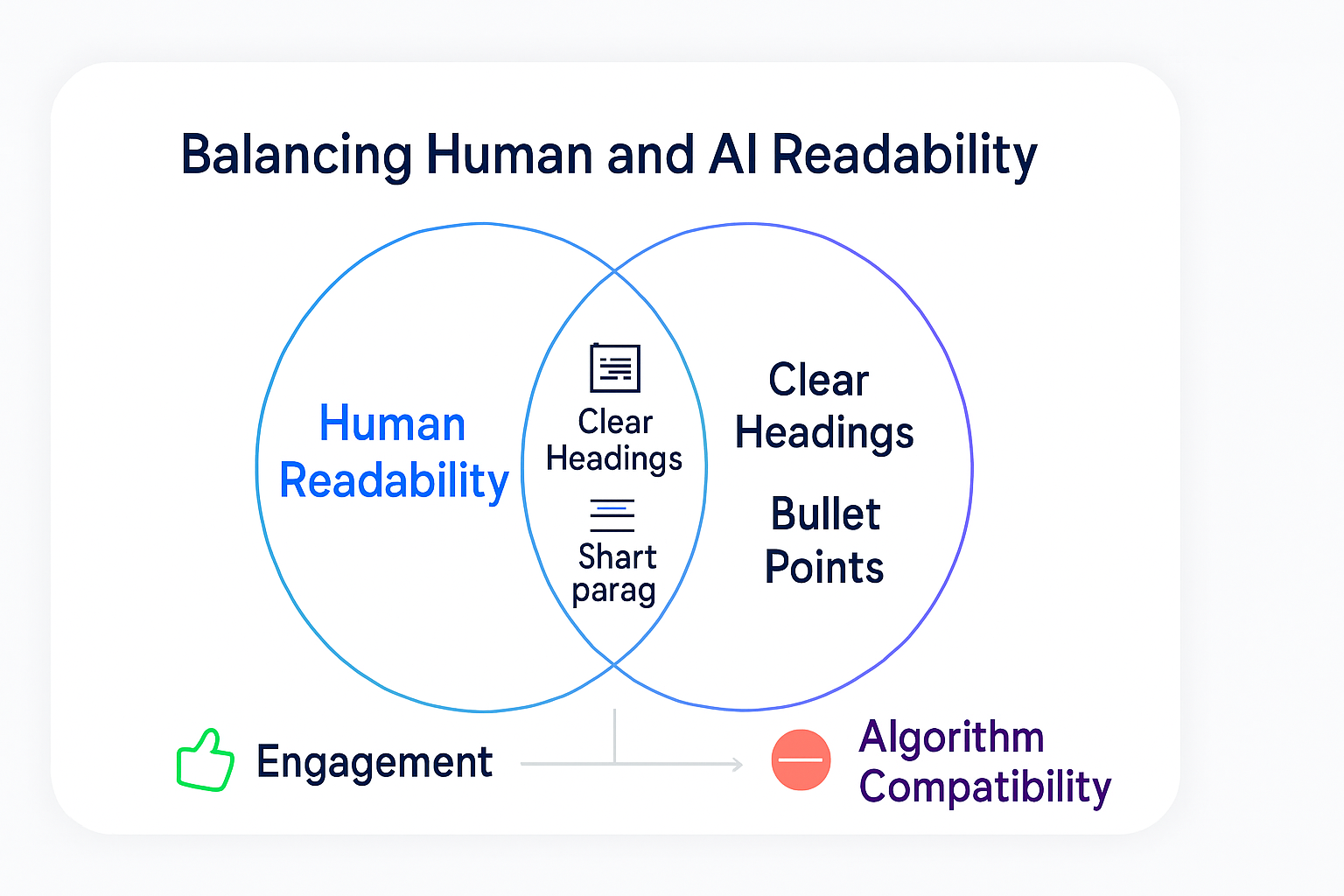
Creating content that appeals to both humans and AI requires strategic approaches.
Balancing Human and AI Readability
Content must be easily digestible for both human readers and AI algorithms. This means using clear headings, short paragraphs, and bullet points to break down complex information. A balance between detailed content and concise summaries helps maintain engagement.
Using Keywords Effectively
While traditional SEO focuses on keyword density, AI search requires a more nuanced approach. Keywords should be naturally integrated and contextually relevant to the topic. Tools like our AI Visibility Checker can help identify effective keywords for AI search engines.
Leveraging AI Tools for Content Creation
AI tools can optimize content for AI visibility, ensuring it meets current standards.
Top Tools for AI Content Optimization
Incorporating AI optimization tools can streamline the content creation process. Tools for checking AI visibility scores and generating AI-friendly metadata are essential. Explore our 12 Best AI Visibility Tools for SEO and AEO in 2026 for a comprehensive comparison.
Integrating LLMs in Your Strategy
Large Language Models (LLMs) can generate content that aligns with AI preferences. Implementing LLMs into your content strategy can enhance productivity and ensure content is up to date with AI standards. For more, read What Is LLMs.txt and How It Helps Your Website Be AI-Friendly.
Actionable Checklist for AI Content Success
Use this checklist to ensure your content is optimized for AI engines before and after publication.
Pre-Publication Checklist
- Verify factual accuracy and relevance.
- Implement structured data with appropriate schema markup.
- Conduct keyword research for AI visibility.
- Check for readability and engagement.
Post-Publication Monitoring
- Track AI visibility and engagement metrics.
- Adjust content based on AI feedback.
- Monitor for AI hallucinations and address inaccuracies.
Analyzing AI Content Performance
Understanding performance metrics can guide improvements in your AI content strategy.
Key Metrics to Track
Focus on metrics such as AI visibility scores, engagement rates, and mention frequency. These metrics provide insight into how AI engines perceive and rank your content. Our guide on How to Measure AI Visibility: Metrics, KPIs, and Reporting offers detailed insights.
Improving Based on AI Feedback
Use AI feedback to refine content strategy. Analyzing AI response patterns and user engagement can identify areas for improvement, ensuring content remains relevant and authoritative.
Common Mistakes in AI Content Writing
Avoid these pitfalls to ensure your content remains effective in AI searches.
Avoiding AI Hallucinations
AI hallucinations can lead to misinformation. Ensure your content is clear and based on reliable sources to prevent AI engines from generating speculative responses. See Can AI Search Engines Damage Your Brand Reputation? for more.
Ensuring Accurate Information
Accuracy is critical. Regularly update content to reflect current data and insights, reducing the risk of spreading outdated or incorrect information.
FAQ
How does AI rank content?
AI ranks content based on relevance, authority, and user engagement. Structured data and keyword optimization are crucial factors that influence AI ranking algorithms.
What is the future of AI content writing?
AI content writing will continue to evolve with advancements in language models and AI algorithms. Emphasis will be on creating factual, concise, and engaging content that meets AI engine standards.
Conclusion
Writing content that AI engines love in 2026 requires a deep understanding of AI preferences, structured data, and effective use of AI tools. By following the guidelines outlined, you can ensure your content stands out in AI searches. Check your site's AI visibility with our AI Visibility Checker and generate AI-friendly metadata with our LLMs.txt Generator.