12 Best AI Visibility Tools for SEO and AEO in 2026
Compare 12 best AI visibility tools for SEO and AEO in 2026. Features, pricing, pros, and cons for tracking your brand across ChatGPT, Perplexity, and Gemini
Someone just asked ChatGPT which CRM works best for remote teams, and your product wasn't mentioned. Not buried at the bottom of the list. Not linked with a caveat. Simply absent. That conversation happened thousands of times today, across ChatGPT, Perplexity, Gemini, Claude, and Google AI Overviews. And every time your brand didn't show up, a potential customer moved on without ever knowing you existed.
This is the new discovery gap. Traditional SEO tools track keyword rankings and organic traffic, but they can't tell you whether AI models actually name, recommend, or cite your brand when people ask for advice. AI visibility tools fill that gap. They monitor how your brand appears in AI-generated responses, flag inaccurate mentions, track competitor positioning, and provide actionable data to improve your presence across large language models.
I've reviewed the market, compared features, tested interfaces, and dug into pricing structures to compile this list of 12 tools that solve real AI visibility problems in 2026. Each one serves a different use case, budget, and team size.
How AI Visibility Tracking Differs From Traditional SEO
Before jumping into the tools, it helps to understand why existing SEO platforms aren't enough.
Traditional SEO tools measure rankings, impressions, clicks, and backlinks. They tell you where your page sits on Google's results list. AI visibility tools measure something fundamentally different: whether your brand gets mentioned inside AI-generated answers, how it's described, what sentiment surrounds it, and which competitors show up alongside you.
When someone asks Perplexity "what's the best project management tool for startups," the AI doesn't return ten blue links. It synthesizes information from dozens of sources and recommends three or four brands by name. If you're not one of them, you're invisible to that buyer. No click-through rate can capture that loss because there was never a link to click.
AI visibility tracking focuses on three core signals: brand mentions (named references inside AI responses), citations (when AI links to your domain as a source), and share of voice (how often you appear compared to competitors for relevant prompts). These metrics require specialized tools that query AI models directly and analyze their outputs.
What to Look for in an AI Visibility Tool
Not every tool on this list does the same thing. Some focus purely on monitoring. Others add optimization workflows. A few combine AI tracking with traditional SEO in one interface. Here's what matters most when choosing:
LLM coverage. The minimum viable stack in 2026 includes ChatGPT, Google AI Overviews, and Perplexity. Stronger tools also cover Gemini, Claude, Copilot, Grok, and DeepSeek.
Prompt-level tracking. You need to see which specific questions trigger (or miss) your brand. Aggregate scores without prompt detail aren't actionable.
Competitor benchmarking. AI answers often mention three to five brands in one response. Knowing who appears alongside you, and who replaces you, shapes content strategy.
Sentiment and accuracy detection. Being mentioned isn't always good. Some tools flag when AI describes your product inaccurately or with negative framing.
Pricing transparency. This category is young, and pricing models vary wildly. Look for clear per-prompt or per-brand pricing, not hidden enterprise gates.
The 12 Best AI Visibility Tools in 2026
1. Profound
Best for: Enterprise teams and agencies needing full-stack AEO infrastructure
Profound has built one of the most comprehensive AI visibility platforms on the market. It tracks over 10 AI engines, including ChatGPT, Perplexity, Google AI Overviews, Gemini, Claude, Copilot, Grok, and DeepSeek. The platform provides citation analysis, share of voice metrics, sentiment tracking, and detailed prompt-level reporting.
What sets Profound apart is its optimization layer. Beyond monitoring, it offers automated content workflows and action plans based on citation patterns. The platform holds SOC 2 Type II certification, which matters for enterprise buyers with compliance requirements. Agency teams get dedicated workspaces, pitch environments for prospects, and white-label reporting.
Pricing: Growth plan starts with a 7-day free trial. Enterprise pricing is custom. Drawback: High entry cost makes it impractical for solo marketers or small startups.
2. SE Visible (SE Ranking)
Best for: SEO teams that want AI visibility integrated into existing workflows
SE Visible operates as a standalone AI visibility platform within the SE Ranking ecosystem. It tracks brand mentions, citations, and sentiment across major AI search engines and connects that data directly to keyword rankings, competitor analysis, and on-page signals.
The integration with SE Ranking's broader SEO toolkit is the primary value. Teams already using SE Ranking don't need a separate dashboard. AI visibility data sits alongside organic performance metrics, making it easier to spot correlations between content changes and AI mention shifts.
Pricing: Entry-level plan supports three brands and is one of the most affordable options in this category. AI Search Add-on available for existing SE Ranking subscribers. Drawback: Limited integrations with third-party tools. No generative AI content workflows.
3. Otterly AI
Best for: Small teams and freelancers getting started with AI tracking
Otterly AI is one of the most accessible tools for entering the AI visibility space. It converts your existing target keywords into related LLM prompts automatically, which saves significant setup time. The platform tracks brand mentions and citations across Google AI Overviews, ChatGPT, Perplexity, Copilot, and Gemini.
A useful feature is the GEO audit tool, which analyzes existing content and suggests specific improvements for better AI discoverability. The interface is clean, the setup is fast, and the pricing makes it viable for independent consultants.
Pricing: Lite plan starts at $25/month (billed annually) for 15 prompts. Standard at $160/month for 100 prompts. Drawback: Limited actionable insights and trend analysis. Some AI engines cost extra as add-ons.
4. Ahrefs Brand Radar
Best for: Teams already invested in Ahrefs who want passive AI monitoring
Brand Radar is integrated directly into the Ahrefs platform. It scans six major AI engines (ChatGPT, Google AI Overviews, Claude, Gemini, and others) across billions of queries without requiring manual prompt setup. The scale of data is massive, providing a broad picture of how AI models reference your brand.
The passive approach is both a strength and a limitation. You get visibility data without configuration effort, but there are no content suggestions, automated audits, or optimization recommendations.
Pricing: Included with any Ahrefs subscription (starting at $129/month for the Lite plan). Drawback: No actionable optimization guidance. Read-only visibility data.
5. Semrush AI Visibility Toolkit
Best for: Marketing teams that want AI data inside a familiar all-in-one platform
Semrush has added AI visibility tracking as an extension of its existing SEO, PPC, and competitive research modules. The platform detects brand mentions inside AI-generated answers and connects them to keyword clusters, backlink profiles, and authority signals.
For teams already running their entire search marketing operation in Semrush, adding AI visibility makes sense. There's no need to learn a new interface or manage another subscription. The downside is that AI visibility features require additional add-ons on top of standard plans, and the interface can feel complex.
Pricing: AI visibility features available as add-ons to existing Semrush subscriptions. Drawback: Not a standalone option. AI visibility is supplementary, not the core focus.
6. Peec AI
Best for: Agencies managing competitive benchmarking across multiple clients
Peec AI focuses heavily on competitive intelligence in AI search. You can track up to five competitors simultaneously and see side-by-side comparisons of visibility, sentiment, and positioning across ChatGPT, Perplexity, Claude, Gemini, and Copilot.
The Pitch Workspaces feature is designed for agencies specifically. It lets you generate AI visibility reports with competitor data to share during sales conversations with prospects. Prompt-level insights show which brands were mentioned, their position in responses, citation status, and basic sentiment.
Pricing: Plans range from €89 to €499/month. 14-day free trial available (card required). Drawback: No prompt volume data. You can see mentions but can't prioritize which prompts matter most.
7. Scrunch
Best for: Teams that want optimization workflows alongside monitoring
Scrunch positions itself as a full AEO/GEO platform covering monitoring, auditing, optimization, and content delivery. Its Agent Experience Platform (AXP) automatically delivers AI-optimized content directly to large language models, which is a unique approach in this market.
The platform covers monitoring across major AI engines, provides website audits to identify technical issues affecting AI search performance, and generates optimization recommendations. It's built for teams that want to take action on their data, not just observe it.
Pricing: Core plan at $250/month. Enterprise pricing is custom. Agency plans start at $500/month. Drawback: No AI-generated content capabilities yet (on the 2026 roadmap).
8. Nightwatch
Best for: Versatile monitoring combining AI tracking with traditional SEO
Nightwatch has evolved from a rank tracking tool into a multi-purpose monitoring platform that covers both LLM mentions and traditional search signals. It combines AI answer tracking, prompt research, and citation-level sentiment analysis with standard keyword and SERP monitoring.
This hybrid approach appeals to teams that don't want separate tools for SEO and AI visibility. The platform tracks AI responses across major models and lets you correlate AI mention trends with organic ranking changes.
Pricing: Plans vary based on tracked keywords and AI features. Drawback: Less specialized in AI visibility compared to dedicated platforms.
9. AIclicks
Best for: Teams seeking both tracking and done-for-you optimization services
AIclicks offers a combination of software and service. The platform provides brand audits, AI visibility analytics, and generative AI content creation. But it also operates as a service provider with done-for-you plans for AI SEO, traditional SEO, and community marketing.
Custom agency plans include priority support and a dedicated representative. The revenue sharing and client matching program is oriented toward agencies that want a partner, not just a tool.
Pricing: Custom pricing based on plan type and services included. Drawback: Focuses more on content generation at scale than comprehensive visibility data. No third-party integrations.
10. HubSpot AEO Grader
Best for: Quick brand assessments and teams already in the HubSpot ecosystem
HubSpot's free AEO Grader runs automated queries across GPT-4o, Perplexity, and Gemini to score your brand's performance. It measures brand recognition strength, competitive positioning, contextual relevance, sentiment, and citation frequency.
The value lies in its connection to HubSpot's broader CRM and marketing stack. Visibility signals can flow into contact-level records, allowing marketers to track how AI mentions influence conversions and pipeline outcomes. As a free assessment tool, it's an excellent starting point for understanding your baseline.
Pricing: Free. Drawback: Assessment tool, not continuous monitoring. Limited to three AI engines.
11. Conductor
Best for: Enterprise teams with existing SEO infrastructure
Conductor is an enterprise-grade platform that has added dedicated AI Search Performance tracking to its traditional SEO capabilities. The platform is designed for large organizations that need governance, compliance, and deep data lineage alongside their AI visibility metrics.
The AEO tracking module connects AI visibility data to content performance, authority signals, and competitive intelligence at enterprise scale. Conductor was named a leader in G2's AEO category for Winter 2026.
Pricing: Enterprise pricing (custom). Drawback: Overkill for SMBs. High cost and complex implementation.
12. RepuAI
Best for: Startups and growing brands focused on AI search reputation
RepuAI approaches AI visibility from the brand reputation angle. Rather than trying to be an all-in-one SEO suite, it focuses specifically on how AI search engines perceive, describe, and recommend your brand. The platform monitors brand mentions across ChatGPT, Perplexity, Gemini, Claude, and other AI models, tracks sentiment shifts, and identifies when AI provides inaccurate or outdated information about your business.
What makes RepuAI particularly useful for startups is its free AI visibility checker, which gives an immediate snapshot of your brand's current AI search presence. For teams focused on generative engine optimization, RepuAI's monitoring feeds directly into actionable content strategies. It also includes an LLMs.txt generator to help your website communicate more effectively with AI crawlers.
Pricing: Free tier available. Paid plans scale with monitoring needs. Drawback: Younger platform with a narrower feature set compared to enterprise tools like Profound or Conductor.
Quick Comparison: Features at a Glance
| Tool | LLM Coverage | Optimization Features | Starting Price | Best For |
|---|---|---|---|---|
| Profound | 10+ engines | Full workflows | Custom | Enterprise |
| SE Visible | Major 5 | SEO integration | Budget-friendly | SEO teams |
| Otterly AI | 5+ engines | GEO audit | $25/mo | Small teams |
| Ahrefs Brand Radar | 6 engines | None | $129/mo (Ahrefs sub) | Passive monitoring |
| Semrush AI Toolkit | Major engines | Add-on features | Add-on pricing | Existing Semrush users |
| Peec AI | 5 engines | Competitive focus | €89/mo | Agencies |
| Scrunch | Major engines | AXP content delivery | $250/mo | Active optimization |
| Nightwatch | Major engines | Hybrid SEO + AI | Varies | Generalist teams |
| AIclicks | Major engines | Done-for-you services | Custom | Service-oriented teams |
| HubSpot AEO Grader | 3 engines | CRM integration | Free | Assessment/HubSpot users |
| Conductor | Major engines | Enterprise workflows | Custom | Large enterprises |
| RepuAI | 5+ engines | Reputation focus | Free tier | Startups, growing brands |
How to Choose the Right Tool for Your Team
Picking an AI visibility tool depends on three factors: your budget, your team's technical capacity, and what you actually plan to do with the data.
If you're just starting out, Otterly AI or RepuAI's free checker provide low-risk entry points. You'll learn which AI engines mention your brand, where the gaps are, and whether the investment in a paid tool is justified.
If you're an agency managing multiple clients, Peec AI or Profound's Agency Mode give you the workspaces, competitive data, and reporting capabilities needed to scale AEO services.
If you already use an SEO suite, check whether your provider (Ahrefs, Semrush, SE Ranking) has added AI visibility features. Using a single platform reduces context-switching and makes it easier to connect AI mention data with organic performance.
If you need optimization, not just monitoring, Scrunch and Profound both offer workflows that turn visibility data into content actions. Monitoring alone is useful, but the tools that help you act on findings deliver faster results.
A Practical Checklist for Evaluating AI Visibility Tools
Before committing to any platform, run through this checklist:
- Test with your actual brand. Most tools offer free trials or free audits. Run your brand name and see what comes back.
- Check LLM coverage against your audience. If your customers use Perplexity more than ChatGPT, make sure your tool tracks Perplexity well.
- Look for prompt-level data. Aggregate scores hide the details that drive strategy. You need to see which questions trigger your brand and which don't.
- Verify update frequency. AI responses change constantly. Daily or weekly tracking catches shifts. Monthly snapshots miss too much.
- Assess accuracy detection. Being mentioned with wrong pricing, outdated features, or incorrect positioning is worse than not being mentioned at all.
- Map the tool to your workflow. If nobody on your team will log in regularly, the data won't help. Pick a tool that fits how your team already works.
- Calculate cost per insight. A $500/month tool that drives content changes is worth more than a $25/month tool that generates reports nobody reads.
What Comes After Choosing a Tool
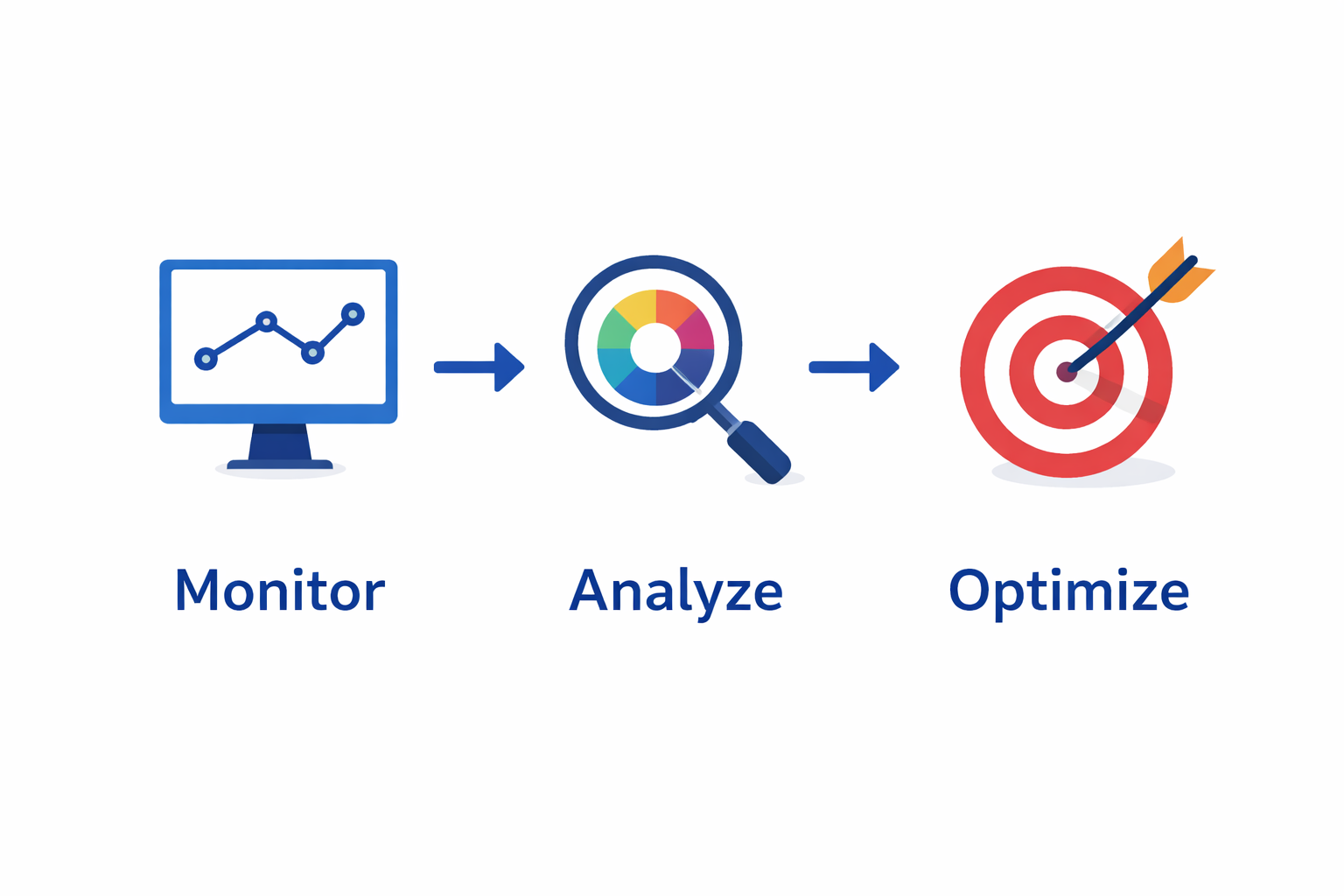
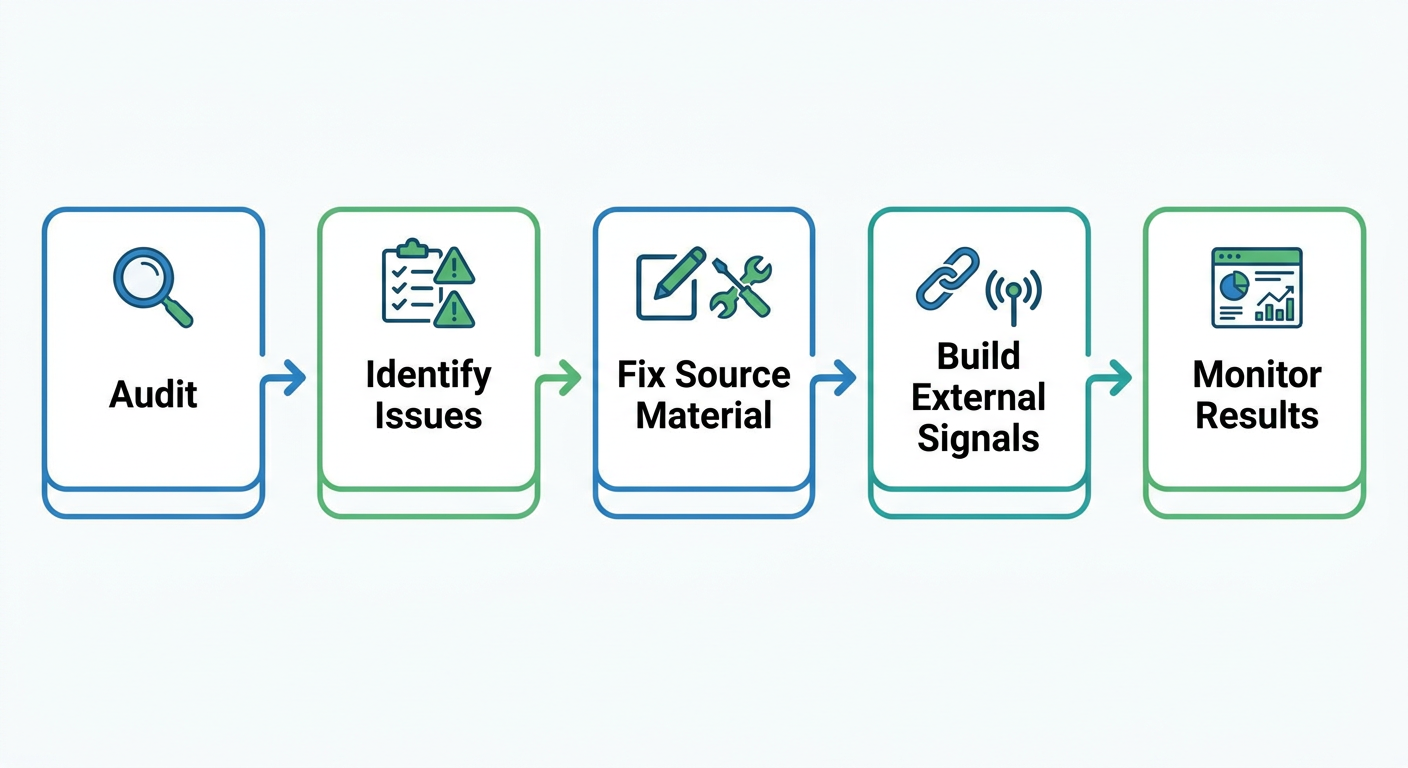
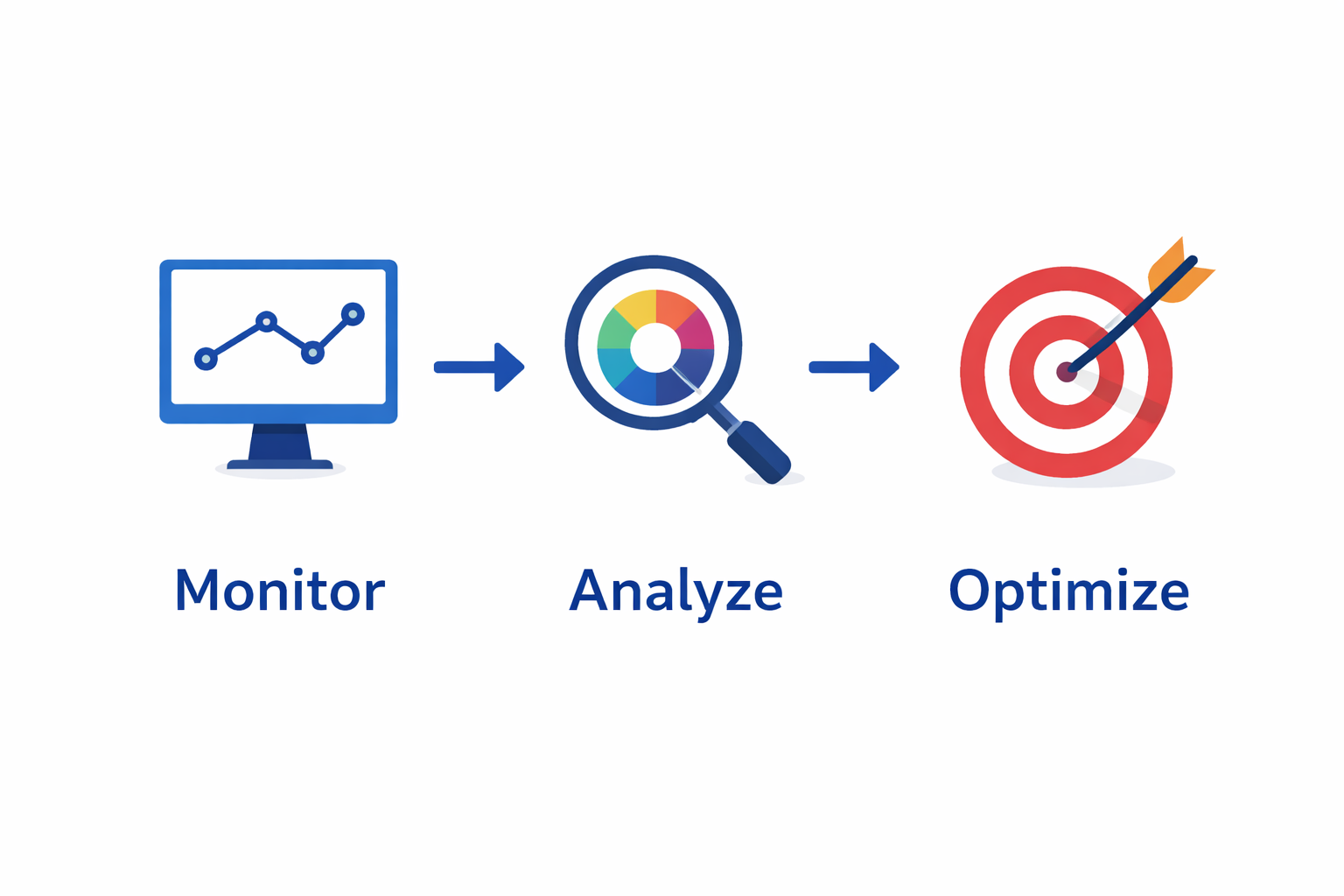
Tracking AI visibility is step one. The real work starts when you act on what you find. If ChatGPT isn't mentioning your brand for a category you should own, the answer usually involves creating structured, answer-ready content that AI models can easily parse and cite. If your brand shows up with outdated information, you'll need to update your key pages and strengthen entity signals across the web.
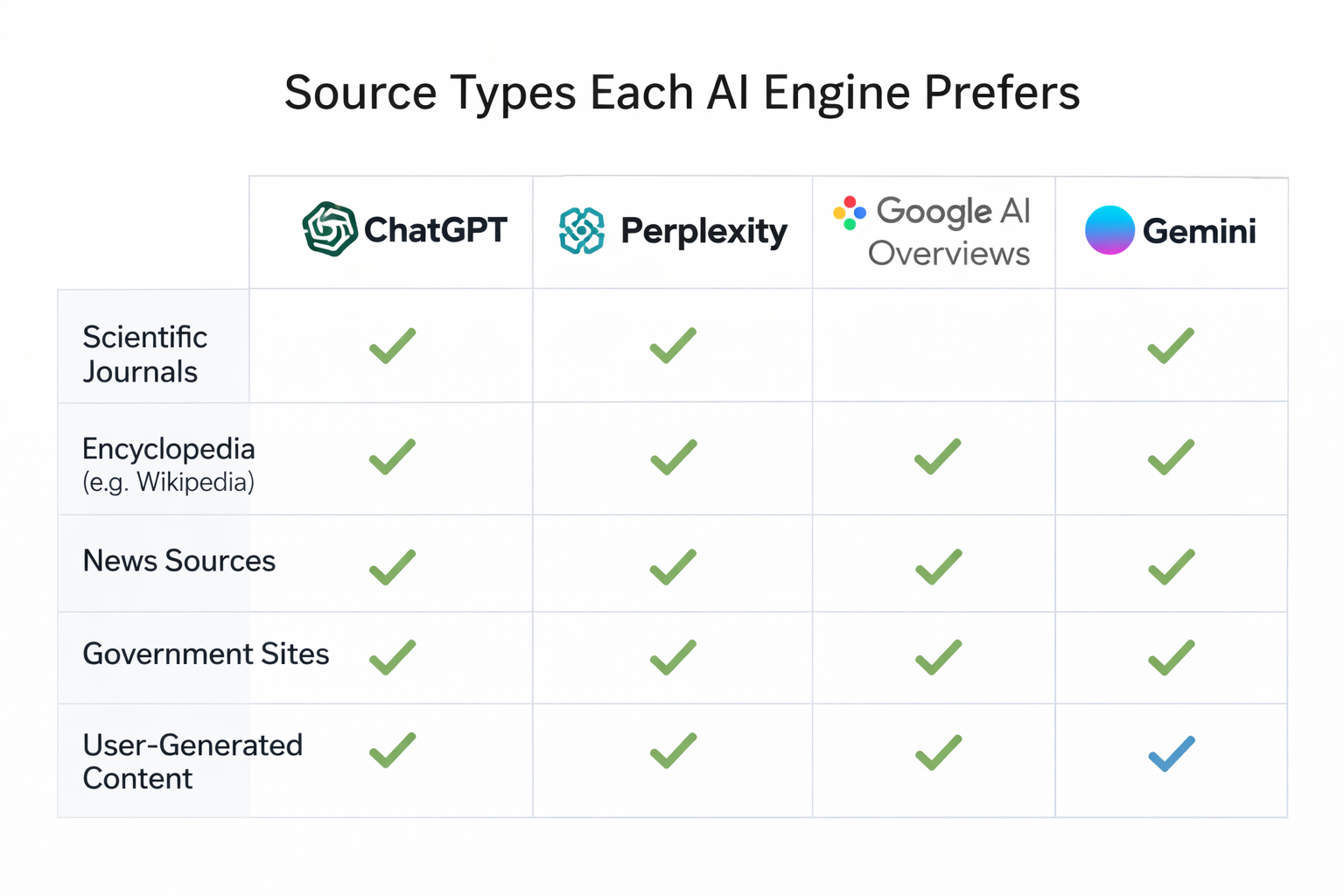
The SEO, AEO, and AI Visibility metrics guide on the RepuAI blog breaks down how these three measurement layers work together. And if you're wondering what type of content AI engines actually prefer to cite, the RepuAI team published a data-backed breakdown worth reading.
The tools listed here will show you where you stand. What you do next determines whether you stay visible or fade from the AI conversation entirely.